
Debunking the Myths about Lower Back Pain
Low back pain (LBP) is an extremely common condition and make up a large percentage of Physiotherapists’ caseloads. At least 90% of individuals will experience a bout of LBP throughout their life.
It is a huge cause of disability however it continues to lack understanding and there are many myths floating around. There is considerable evidence that the beliefs and attitudes of people with LBP can greatly influence their management and prognosis, so let’s run through some myths about LBP
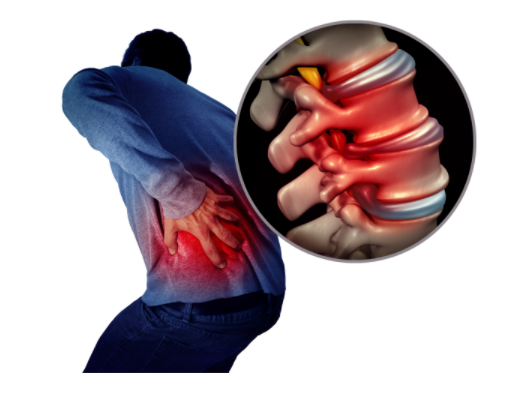
Pain = Damage
Pain is the body’s warning system. It is interpreted and processed by the brain. The brain then sends a message to the tissues of the body that there is potential danger. Pain does not mean that damage is occurring to the area; it is there to warn the body that the area is vulnerable.
How we all experience pain is different, because our brains all process danger differently. The degree of pain felt can vary according to factors such as personal experiences, mood, fears, stress levels, coping mechanisms, genetics and environmental factors. Two people with exactly the same injury can have differing levels of pain. This does not mean that pain is not relevant or important, it means that just because you have pain doesn’t mean that you are making an injury worse.
Rest = Good
There is tonnes of evidence to prove that exercise and movement is beneficial for low back pain, especially in the early stages. It is important to initially avoid movements and activities that aggravate the pain, however these activities do not have to be avoided forever.
Research also shows that the longer you rest, the worse the back pain gets and the longer the recovery time. If muscles aren’t being used they will become tight and weak, which results in the lower back becoming stiffer and sorer.
A disc bulge means I’ll have low back pain forever
Disc bulges can be painful if they occur acutely, however the relationship between a disc bulge and pain is controversial. The disc bulge itself isn’t the cause of the pain; pain is more likely to be coming from the structures around the disc i.e. muscles, fascia. Studies show that ~50% of asymptomatic people have a disc bulge at at least one spinal level.
In those that experience acute low back pain rapid improvements generally occur within a couple of weeks, with continued improvement over a couple of months. Majority of people return to full function with no change in their quality of life.
My back is “out”
There is no evidence to support that pain in the lower back is caused by a joint being “out of place” or a bone being “out of alignment”. Spinal mobilisation or manipulation by physiotherapists or other health practitioners does not put any part of the spine back into place because nothing is out of place to begin with. Spinal joints and muscles may be tight but nothing moves out of alignment.
If I have back pain I need an MRI or another scan
As mentioned previously, studies have shown that 50% of asymptomatic backs have disc bulges. This means that disc bulges are not the cause of peoples’ pain. Whilst findings of ‘disc degeneration’ and ‘disc bulges’ seem scary and important scan results, they are largely insignificant in isolation. These anatomical changes are a normal process of ageing and are likely to be found in the results of an individual with no back pain.
Often, most people with longstanding lower back pain have no significant pathology and we refer to their pain as ‘non-specific low back pain’. Save your money! Treat the sore spots, tight spots, improve your movement and strengthen the muscles surrounding the lower back and it will enable return to function; a scan will not!
Ultrasound treatment and electrical stimulation will help my low back pain
There is no research to prove that ultrasound treatment and electrical stimulation are any more likely to aid low back pain than simple heat treatment. Whilst they may be a good adjunct to treatments these types of passive treatments provide no long-term benefit and do not treat the underlying problem. Studies show that exercise is the most effective treatment for low back pain.
Lower back pain can be severely debilitating but if treated properly does not have to last long! If you are suffering from LBP please visit a Physiotherapist so that you can sort out the underlying cause of your pain and how to treat, manage and prevent it from returning! LBP should not be life-changing or reduce your quality of life; please don’t let it!